Introduction
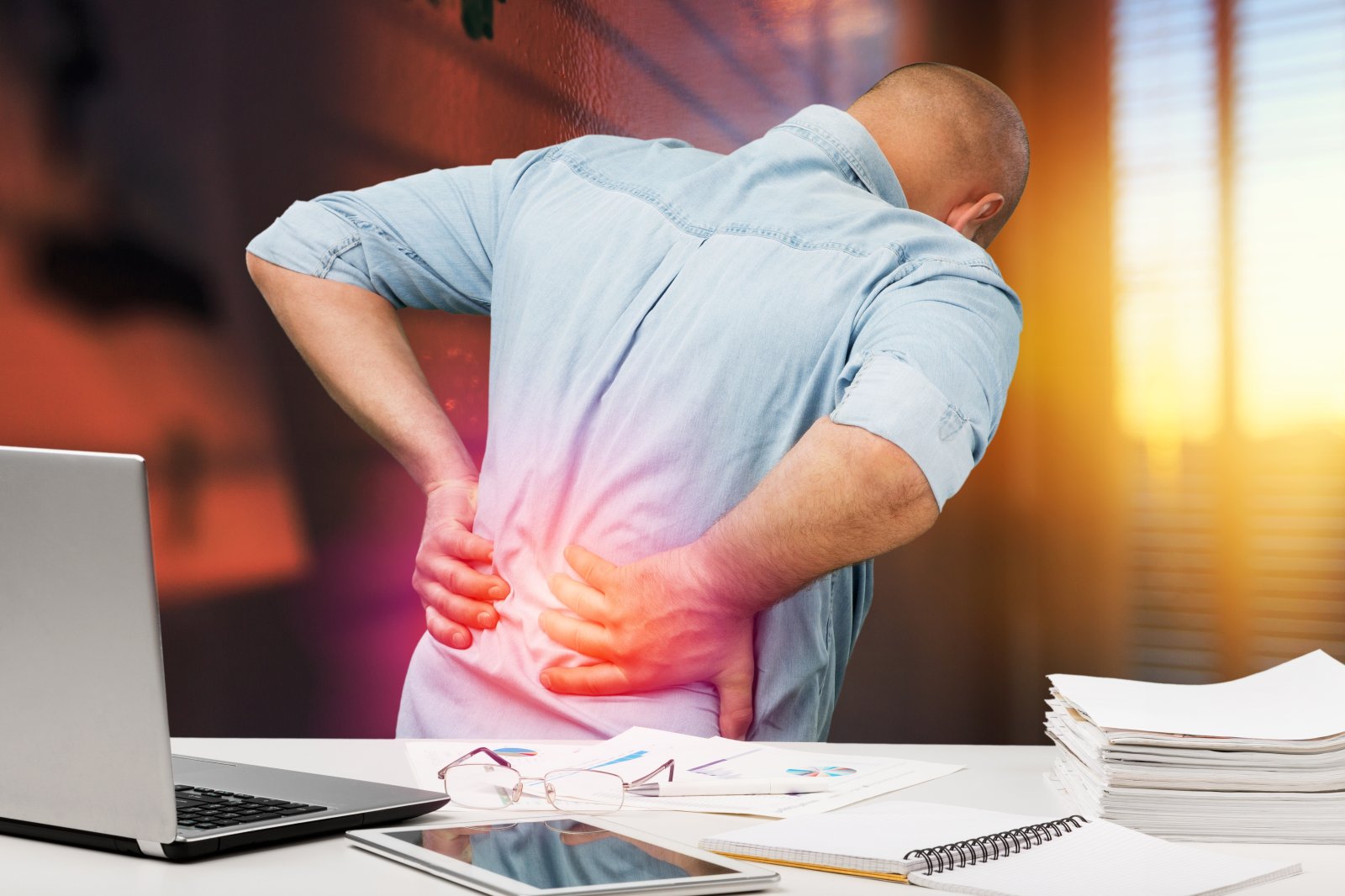
A herniated disc is a common cause of back pain. Many people also call it a slipped disc or ruptured disc. Understanding what a herniated disc is can help you spot symptoms early. Early care often leads to better results. Back pain can affect daily life, so knowing the signs and treatment options is important for your health and comfort.
What is a Herniated Disc?
Between the bones in your spine are soft, cushion-like discs. These discs act as shock absorbers. Sometimes, the soft center of a disc pushes out through a crack in the outer layer. This is called a herniated disc. As a result, the disc may press on nearby nerves. This pressure can cause pain, numbness, or weakness. Most herniated discs happen in the lower back, but they can also occur in the neck.
Common Symptoms
Not everyone with a herniated disc has symptoms. However, many people notice signs such as:
For example, a herniated disc in the lower back may cause pain down the leg, known as sciatica. If you notice these symptoms, it is wise to seek medical advice.
Main Causes and Risk Factors
Most often, herniated discs result from wear and tear as we age. This process is called disc degeneration. Over time, the discs lose water and become less flexible. As a result, they are more likely to tear or rupture. Other causes and risk factors include:
Although anyone can get a herniated disc, it is more common in people aged 30 to 50.
How is a Herniated Disc Diagnosed?
Doctors start by asking about your symptoms and medical history. Next, they perform a physical exam to check for pain, weakness, or numbness. Sometimes, they may order tests to confirm the diagnosis. These tests can include:
Early diagnosis helps guide the best treatment plan. According to the CDC, most herniated discs can be managed without surgery.
Treatment Options
Treatment for a herniated disc depends on the severity of symptoms. Many people improve with simple steps. Common treatments include:
In some cases, doctors may suggest steroid injections to reduce swelling. Surgery is rare but may be needed if pain is severe or if there is muscle weakness. According to the World Health Organization, most people recover without surgery.
Prevention Tips and Lifestyle Guidance
While not all herniated discs can be prevented, you can lower your risk. Try these tips:
By making these changes, you can help protect your spine and lower your chances of back pain.
Conclusion
In summary, a herniated disc is a common cause of back pain. It can affect daily life but is often treatable. If you have symptoms like pain, numbness, or weakness, do not wait. For personalized guidance on herniated disc management and treatment options, consult Dr. Yogesh Vijay for expert orthopedic care.