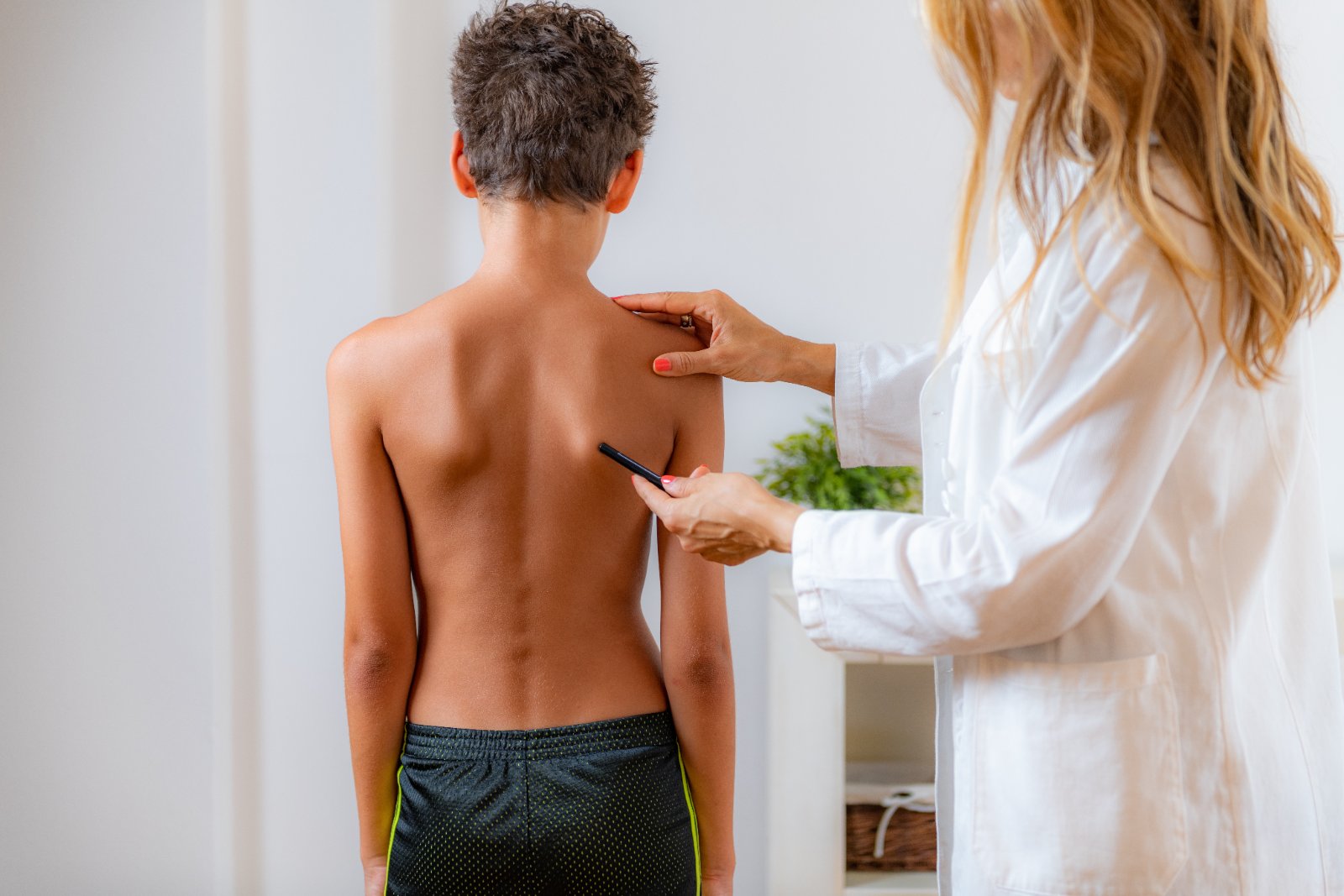
What Is Scoliosis?
Scoliosis is a condition where the spine curves sideways. While some curves are small, others can get worse as a child grows. Most often, scoliosis appears during the growth spurt just before puberty. According to the CDC, early detection of scoliosis in teenagers helps prevent serious problems later. Scoliosis screening in teens is important for catching these changes early.
Why Is Scoliosis Screening Important for Teens?
Early screening can spot scoliosis before it gets worse. If scoliosis is found early, treatment can begin sooner. This helps prevent pain, breathing problems, or changes in appearance. In many schools, school scoliosis screening is offered to help catch cases that might go unnoticed. Because teens grow quickly, their spines can change fast. Therefore, regular checks are key.
Common Signs and Symptoms of Scoliosis in Teenagers
Sometimes, scoliosis is hard to notice. However, parents and caregivers can look for these signs of scoliosis in teens:
But not all teens with scoliosis have pain. So, regular screening is still important, even if your teen feels fine.
How Is Scoliosis Screening Performed?
During a scoliosis screening, a nurse or doctor will check your teen’s back. Usually, your teen will stand and bend forward. This is called the Adam’s Forward Bend Test. The screener looks for unevenness in the back or ribs. Sometimes, a simple tool called a scoliometer measures the curve. If a curve is seen, the doctor may order an X-ray to confirm the diagnosis. The process is quick and does not hurt.
When and How Often Should Teens Be Screened?
Experts suggest screening all children between ages 10 and 15. This is when most growth happens. Many schools offer school scoliosis screening in middle school. However, if your child skips school screening, ask your doctor to check during yearly visits. Girls should be screened twice, at ages 10 and 12. Boys should be screened once, around age 13 or 14. Regular checks help catch changes early.
Next Steps After a Positive Screening Result
If the screening finds a possible curve, do not panic. The doctor will likely order an X-ray to measure the curve. After that, treatment depends on the curve’s size and your teen’s age. Options may include:
Most teens with mild scoliosis do not need surgery. Early detection of scoliosis in teenagers makes treatment easier and more effective.
Prevention and Lifestyle Tips for Spinal Health in Teens
While scoliosis cannot always be prevented, healthy habits support a strong spine. For example, encourage your teen to:
Additionally, regular check-ups help spot any changes early. Although these steps cannot stop scoliosis, they keep your teen’s back healthy.
Conclusion: Take Action for Your Teen’s Spine
In summary, scoliosis screening in teens is a simple way to protect your child’s health. Early detection and treatment can prevent future problems. If you notice signs of scoliosis in your teen, or if you have concerns, consult Dr. Yogesh Vijay. They can guide you on the best steps for your child’s spinal health.