Introduction
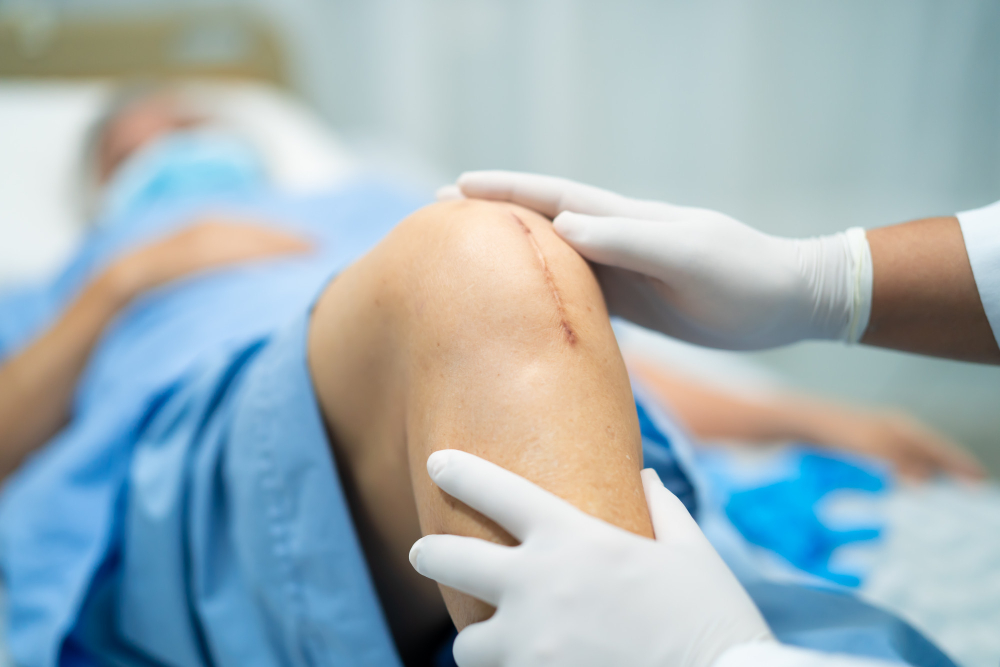
Total knee replacement is a common orthopedic surgery. It helps people with severe knee pain and stiffness. Many people choose this surgery when other treatments do not work. In fact, total knee replacement can improve movement and quality of life. For those with knee problems, understanding this procedure is important. This guide explains symptoms, causes, the knee surgery procedure, recovery, and prevention tips.
Symptoms and When to Consider Surgery
Many people feel knee pain as they age. However, some symptoms may signal a need for total knee replacement. If you notice these signs, talk to your doctor:
Sometimes, pain does not improve with medicine or therapy. In such cases, surgery may be the best option. Early discussion with an orthopedic specialist can help you decide.
Causes Leading to Total Knee Replacement
Many conditions can damage the knee joint. As a result, some people may need total knee replacement. Common causes include:
Over time, these problems can make movement painful. Therefore, replacing the knee joint can bring relief.
Diagnosis and Evaluation Process
Doctors use several steps to decide if you need total knee replacement. First, they ask about your symptoms and medical history. Next, they perform a physical exam. Often, they check your knee’s movement and strength. In addition, doctors may order X-rays or MRI scans. These tests show the extent of joint damage. Sometimes, blood tests help rule out other conditions. After reviewing all results, your doctor will discuss the best treatment plan.
The Total Knee Replacement Procedure
The knee surgery procedure usually takes one to two hours. Here is a simple step-by-step overview:
Most people stay in the hospital for a few days. However, some may go home sooner if they recover quickly.
Recovery and Rehabilitation Tips
Recovery after total knee replacement is important for success. With the right care, most people return to daily activities. Here are some helpful tips:
Usually, you can resume light activities within a few weeks. However, full recovery may take several months. Staying active and doing exercises can speed up healing.
Prevention and Lifestyle Guidance
While some knee problems cannot be avoided, you can lower your risk. Consider these prevention tips:
By making these changes, you may delay or prevent the need for total knee replacement.
Risks and Complications
Like any surgery, total knee replacement has some risks. However, most people have a safe recovery. Possible complications include:
Doctors take steps to lower these risks. For example, they may give you medicine to prevent blood clots. Always follow your care team’s advice for the best outcome.
Frequently Asked Questions
Conclusion
Total knee replacement can relieve pain and restore movement. If you have ongoing knee pain, do not wait. Consult an orthopedic specialist at Sri Rameshwara Healspire Multicare Hospital for personalized advice. Early care can help you return to an active, healthy life.