
Introduction
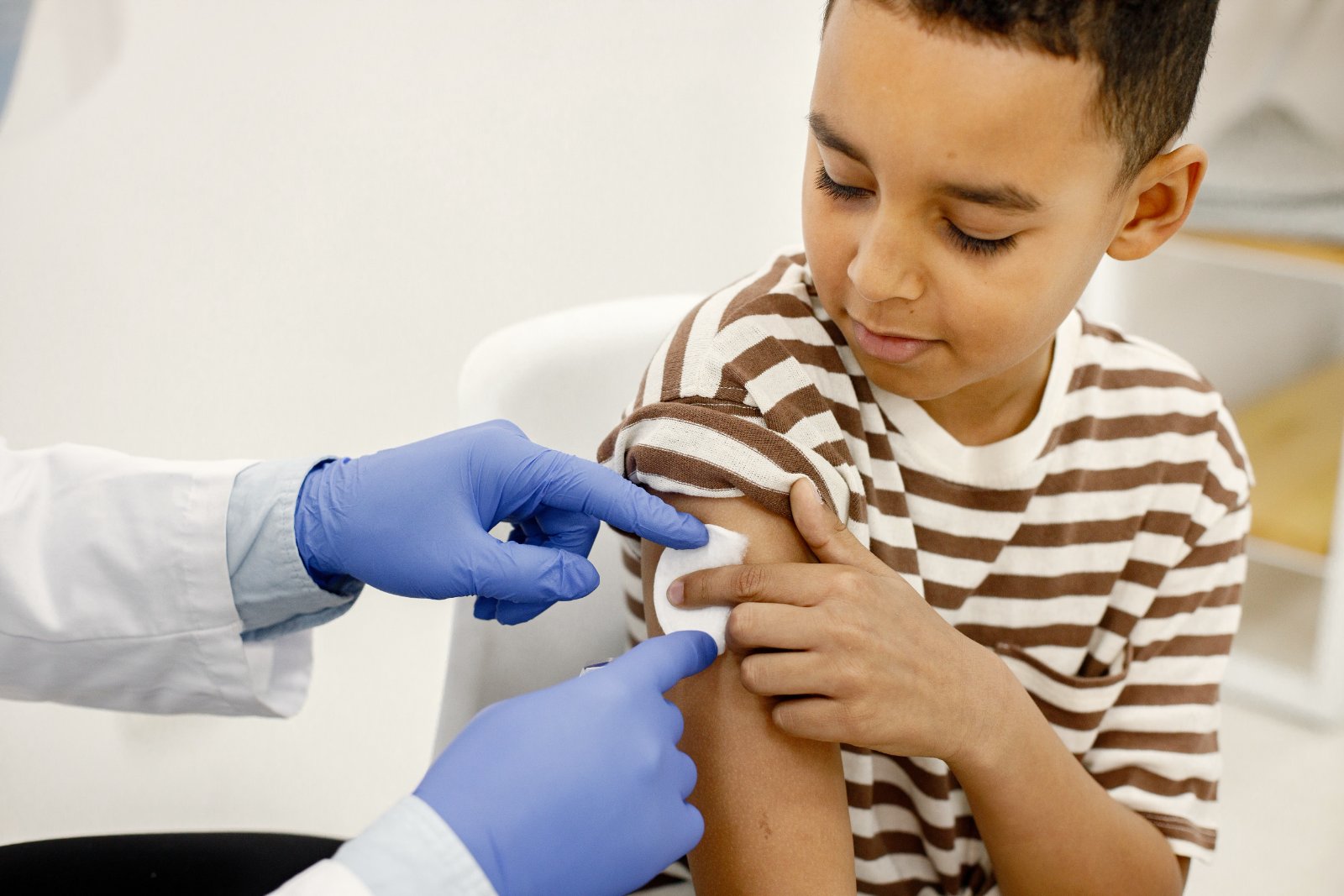
Vaccinations for children protect against many serious diseases. These vaccines help a child’s immune system fight off infections. As a result, children stay healthier and avoid illnesses that can cause long-term problems. According to the CDC and WHO, vaccines save millions of lives each year. For this reason, childhood vaccinations are a key part of public health.
Common Vaccines for Children
Children receive several important vaccines during their early years. Each vaccine protects against a specific disease. Below are some of the most common vaccines for kids:
Recommended Vaccination Schedule
Following the childhood vaccination schedule is important for full protection. The CDC and WHO provide clear guidelines. Here are some key milestones:
However, your child’s doctor may adjust the schedule based on health needs. Always check with your pediatrician for the latest updates.
Safety and Side Effects
Many parents ask, “Are vaccines safe for children?” The answer is yes. Pediatric vaccine safety is carefully studied by experts. Most side effects are mild, such as a sore arm or mild fever. Serious reactions are very rare. For example, redness or swelling at the shot site is common, but it goes away quickly. If you notice anything unusual, contact your doctor right away. Overall, the benefits of immunization in kids far outweigh the risks.
Benefits of Timely Vaccination
Timely vaccinations protect children before they are exposed to diseases. In addition, vaccines help prevent outbreaks in schools and communities. Here are some key benefits:
Because of vaccines, many diseases are now rare or even gone in some areas.
Tips for Parents
Preparing for your child’s vaccination appointment can make things easier. Here are some helpful tips:
Additionally, set reminders for future appointments to stay on track with the childhood vaccination schedule.
Prevention and Community Health Impact
When most children get vaccinated, diseases have less chance to spread. This is called “herd immunity.” As a result, even those who cannot get vaccines, like newborns or children with certain health problems, are protected. Vaccinations for children help keep whole communities healthy. For this reason, staying up to date with vaccines is important for everyone.
In summary, vaccines are safe, effective, and protect your child and others. For customised support and guidance on immunizations, connect with Dr. Yogesh Vijay today.